Your SANCTUARY, effortlessly elevated
Intentional Layout: How to Arrange a Room That Actually Works
Most rooms are furnished. Very few are arranged. Here is the difference — and how to get it right.


You have the furniture. You have the rug. You have the art on the walls. And yet something about the room still feels off — stiff, disconnected, like the pieces are sharing a space rather than belonging to one.
This is almost never a furniture problem. It is a layout problem.
The way furniture is arranged in a room determines everything — how the space feels to move through, how it feels to sit in, whether it invites conversation or discourages it, whether it feels considered or accidental. Two identical rooms with identical furniture can feel completely different based on nothing more than where things are placed.
Intentional layout is the difference between a room that is furnished and a room that functions. Between a space that looks fine in a photo and one that feels genuinely good to live in.
Here is how to get there.
Start Before You Buy Anything
The single most expensive layout mistake is buying furniture before planning the layout.
Most people do it the other way around — they find a sofa they love, bring it home, and then figure out where it goes. Sometimes it works. More often it creates a constraint that shapes every subsequent decision in the room, usually not for the better.
The professional approach is the reverse. Layout first. Purchases second.
The process:
Step 1 — Measure everything.
Not just the room dimensions. Every doorway, every window, every architectural feature, every outlet and vent. These are the fixed constraints your layout must work around. Write them down. Sketch a rough floor plan — it does not need to be beautiful, just accurate.
Step 2 — Define the purpose.
What actually happens in this room? What activities need to be supported? A living room that is primarily for conversation needs a different layout than one that is primarily for watching television. A bedroom that doubles as a reading room needs different zones than one that is purely for sleep. Define the function before defining the furniture.
Step 3 — Identify or create a focal point.
Every room needs one thing to look at first. One element that anchors the space and gives the eye somewhere to land. In many rooms this already exists — a fireplace, a large window, a beautiful view. In rooms without an obvious focal point, you create one: a large piece of art, a statement mirror, a dramatic light fixture, a beautifully styled console.
Once the focal point is established, everything else in the room responds to it. Seating faces it. The rug anchors it. The layout radiates from it.
Step 4 — Tape it out before you commit.
Use painter's tape on the floor to mark the footprint of major furniture pieces before buying or moving anything. Walk through the space. Sit in the imagined positions. Check the sightlines. This costs nothing and prevents the most expensive mistakes.
The Rules That Actually Matter
Pull Furniture Away From the Walls
This is the most counterintuitive rule in furniture layout — and the most important.
The instinct is to push everything against the walls. It feels safer. It seems like it creates more floor space. It does neither.
Furniture pushed against walls creates a room that feels like a waiting room — everything on the perimeter, nothing in the center, no sense of intimacy or intention. The eye has nowhere to rest. Conversation becomes difficult. The room feels larger in square footage and smaller in feeling.
Floating furniture — pulling pieces away from the walls and into the room — does the opposite. It creates zones. It generates intimacy. It makes a room feel designed rather than arranged by default.
The rule: pull your sofa at least 6 inches from the wall. In larger rooms, much more. The space behind the sofa is not wasted — it is breathing room, and breathing room is what makes a room feel considered.
Establish Clear Traffic Flow
A room that is difficult to move through is a room that feels wrong — even if you cannot name why.
Traffic flow is the invisible architecture of a room. It determines where people naturally walk, where they pause, where they sit. When furniture blocks natural pathways, the room creates friction — a subtle but constant resistance that makes the space feel uncomfortable.
The clearances that matter:
Main pathways through a room: 36 inches minimum
Secondary pathways between furniture pieces: 18–24 inches
Sofa to coffee table: 14–18 inches — close enough to reach, far enough to move
Dining chair pull-out space: 36 inches from table edge to wall or furniture behind
Before finalizing any layout, walk the room. Walk from the entry to the seating area. Walk from the seating area to the window. Walk around the dining table. If anything feels like an obstacle, it is one.
Scale Everything to the Room
Wrong scale is the most common non-designer mistake — and the hardest to fix without starting over.
A sofa that is too small for a large room looks lost. A sofa that is too large for a small room looks oppressive. Neither is a furniture problem. Both are a scale problem.
The 60/40 rule: Furniture should occupy approximately 60% of the floor space, leaving 40% open for movement and breathing room. In a 12x14 foot room (168 square feet), that means roughly 100 square feet of furniture footprint.
The two-thirds rule: A sofa should be approximately two-thirds the width of the wall it sits against. Art above a sofa should be approximately two-thirds the width of the sofa. These proportional relationships are what make a room feel resolved rather than random.
Sizing by room:
Room SizeSofa LengthCoffee TableMinimum RugSmall (under 200 sq ft)72–84 inches48x24 inches8x10 feetMedium (200–300 sq ft)84–96 inches48x30 inches9x12 feetLarge (over 300 sq ft)96–108 inches54x36 inches10x14 feet
When in doubt, go larger on the rug and more restrained on the furniture. A substantial rug with appropriately scaled furniture always looks more intentional than a small rug with oversized pieces.
Creating Zones — The Secret to Rooms That Feel Complete
A zone is a defined area within a room that serves a specific purpose. Living rooms typically need at least two: a primary seating zone and a secondary zone — a reading corner, a writing desk, a window seat.
Zones are what make a room feel layered and lived-in rather than one-dimensional. They give the eye multiple places to land and the body multiple places to be.
How to define a zone without walls:
The rug. A large area rug placed under a furniture grouping instantly defines that grouping as a zone. The rug is the floor plan of the zone — everything within it belongs together.
The sofa as divider. In open-plan spaces, the back of a sofa positioned away from the wall creates a natural boundary between the living zone and the dining or kitchen zone. Add a console table behind the sofa and the boundary becomes even more defined — functional and beautiful.
Lighting. A floor lamp positioned beside a reading chair defines that chair as a reading zone. A pendant centered over a dining table defines the dining zone. Lighting is the most powerful zone-defining tool in a room because it works both visually and functionally.
Furniture grouping. Two chairs angled toward each other with a small table between them create a conversation zone. A desk positioned near a window with a task lamp creates a work zone. The grouping itself communicates the purpose.
The Focal Point — Every Room Needs One
A room without a focal point is a room without a center of gravity. The eye enters, finds nothing to anchor to, and wanders. The room feels unresolved — even if every individual piece in it is beautiful.
Every room needs one thing to look at first.
If your room already has one — a fireplace, a large window, a beautiful view — arrange everything to acknowledge it. Seating faces it. The rug anchors in front of it. Nothing competes with it.
If your room does not have one — create it. The options, in order of impact:
Large-scale art — a single oversized piece on the primary wall. The most versatile focal point because it works in any room regardless of architecture.
A statement mirror — reflects light, expands the space visually, and creates presence without weight.
A dramatic light fixture — a sculptural pendant or chandelier draws the eye upward and anchors the room from above.
An accent wall — paint, wallpaper, or a textured treatment on the primary wall. Creates instant visual hierarchy.
Once the focal point is established, the layout rule is simple: everything else supports it. Nothing competes. The focal point leads. Everything else follows.
The Layout Mistakes That Make Rooms Feel Wrong
These are the errors that create that persistent sense of something being off — even when you cannot name what it is.
All furniture against the walls. Creates a waiting room, not a living room. Float everything.
Rug too small. The single most common mistake. If the rug does not anchor the furniture grouping — front legs of all seating pieces on the rug — the layout floats and the room feels unfinished.
No clear focal point. The eye wanders. The room feels unresolved. Create one before arranging anything else.
Blocking natural light. Never place tall furniture in front of windows. Natural light is the most valuable asset in any room — protect it.
Ignoring traffic flow. If you have to turn sideways to move through a room, the layout is wrong. Clear pathways are non-negotiable.
Matching sets. A sofa, loveseat, and armchair from the same collection arranged symmetrically looks like a showroom floor. Mix scales, silhouettes, and sources. The room should look collected, not purchased.
Too many pieces. More furniture does not make a room feel more complete. It makes it feel more crowded. Edit ruthlessly. The pieces that remain will have more presence for the space around them.
The Intentional Layout in Practice
Layout is not a one-time decision. It is a conversation between you and your space — one that evolves as you understand the room better, as your life changes, as the light shifts through the seasons.
The goal is not a perfect arrangement. It is an honest one — a layout that reflects how you actually live, supports what you actually do, and makes the room feel genuinely good to be in.
That is what intentional means. Not designed for a photograph. Designed for a life.
Start with the focal point. Pull the furniture away from the walls. Establish the traffic flow. Define the zones. Scale everything to the room.
Then live in it. Adjust. Refine. The best layouts are never finished — they are simply getting better.
The pieces that make intentional layout possible are below — selected for scale, quality, and the ability to anchor a room rather than just fill it. Find more in The Edit
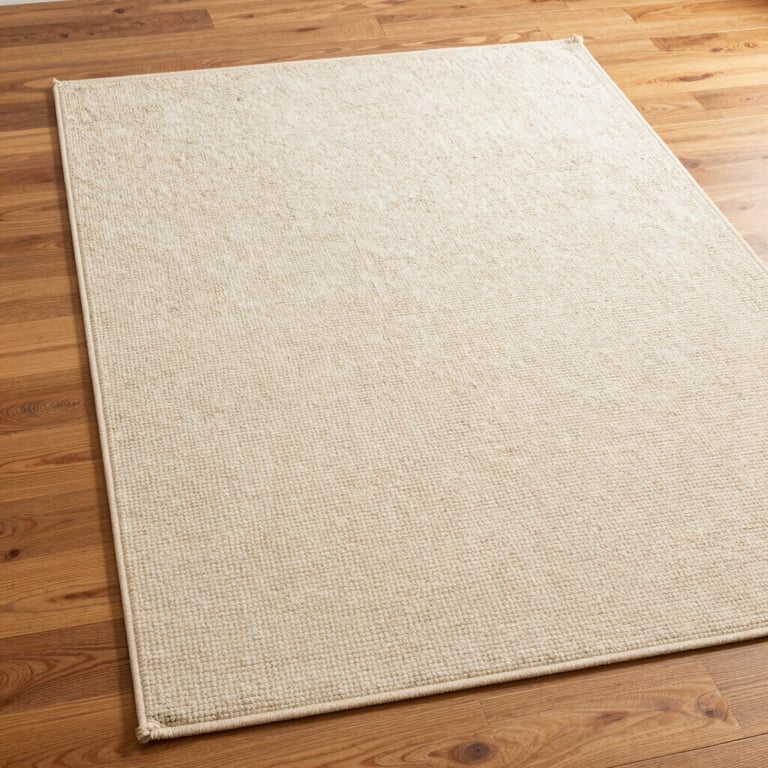
The Woven Foundation
The Foundation Your Room Has Been Missing
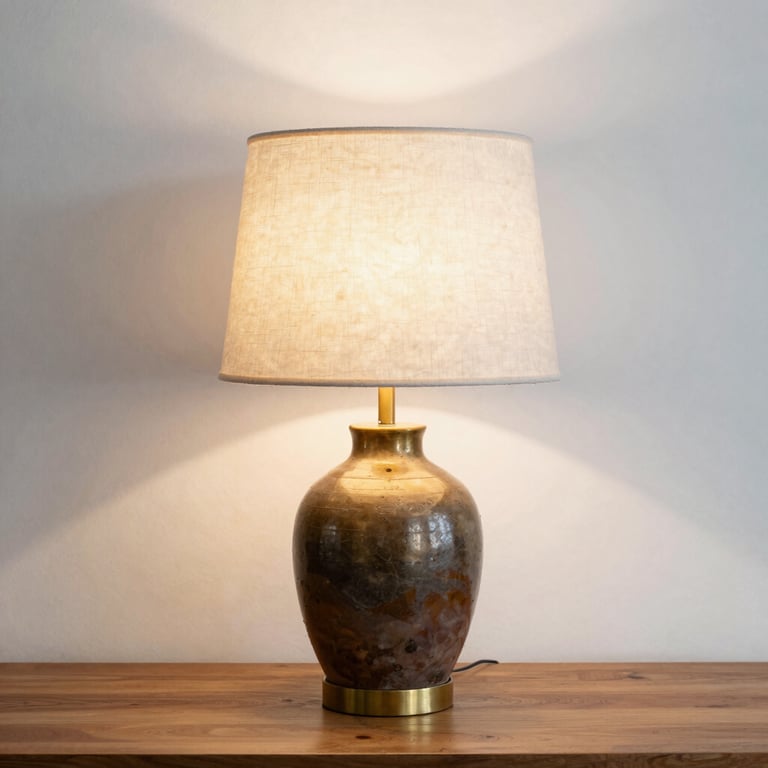
The Amber Light
The lamp that changes the entire room
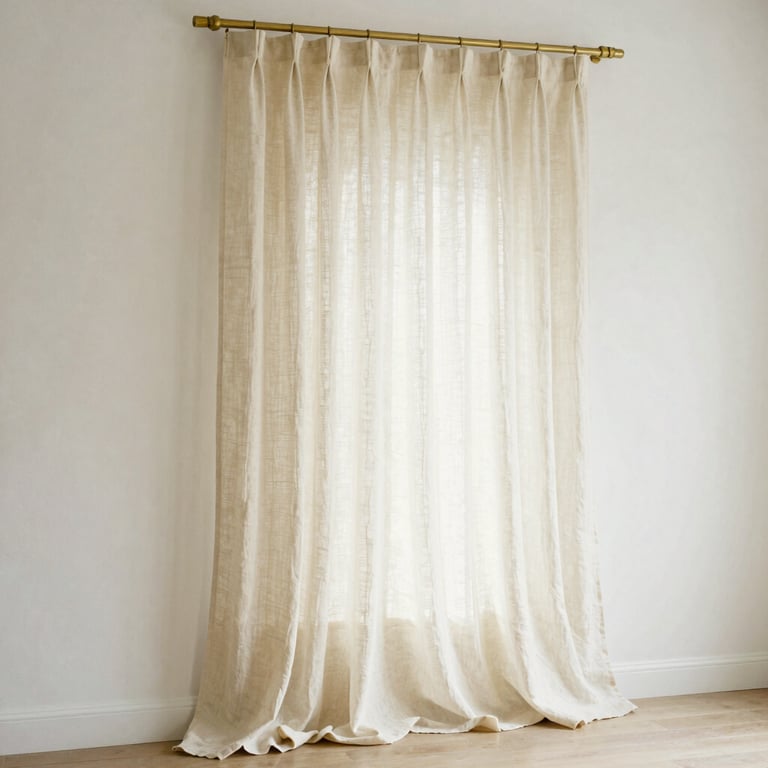

The Linen Veil
Where Natural Light Becomes Part of the Design
The Aura Abode
Effortlessly curated design for the modern sanctuary.
© 2026 The Aura Abode. All rights reserved.
| HOME | THE COLLECTIONS | THE EDIT |
*The Aura Abode is a participant in the Amazon Services LLC Associates Program, an affiliate advertising program designed to provide a means for sites to earn advertising fees by advertising and linking to Amazon.com