Your SANCTUARY, effortlessly elevated
Sustainable Roots: Why the Most Beautiful Homes Are Also the Most Intentional
The case for buying less, choosing better, and building a home that actually lasts.


There is a particular kind of exhaustion that comes from decorating a home the wrong way.
You buy something because it looks good in the photo. It arrives, it is fine, it works for a season. Then something shifts — a trend moves on, the finish starts to peel, the cushion loses its shape — and you find yourself back at square one, scrolling again, buying again, replacing again.
This is not a taste problem. It is a roots problem.
The homes that feel genuinely elevated — the ones that stop you mid-scroll, the ones that feel calm and considered and alive — are almost never the result of buying more. They are the result of buying right. Fewer things. Better things. Things with roots deep enough to last.
That is what Sustainable Roots is about. Not sustainability as a trend or a label. Sustainability as a design philosophy — one that happens to produce the most beautiful, most cohesive, most enduring homes.
The Fast Furniture Problem Nobody Talks About
The home decor industry has a fast fashion equivalent. It is called fast furniture — and most of us have participated in it without realizing.
Fast furniture is the particleboard bookshelf that wobbles after six months. The synthetic rug that pills and flattens within a year. The trendy accent chair that looks dated before you have finished paying it off. It is designed to be affordable, accessible, and temporary — which means it is also designed to be replaced.
The numbers are striking. The U.S. generates over 12 million tons of furniture waste every year. Most of it is non-recyclable. Most of it off-gasses formaldehyde and VOCs into your home before it ends up in a landfill.
But beyond the environmental cost, there is a design cost that is rarely discussed. Fast furniture makes rooms feel unresolved. Not because the individual pieces are ugly — some of them are genuinely attractive — but because they carry no weight. No history. No permanence. A room full of fast furniture feels like a stage set. Everything looks fine. Nothing feels real.
The alternative is not expensive. It is intentional.
What Intentional Actually Means
Intentional design is not about spending more money. It is about spending more thought.
It means asking different questions before you buy:
Is this made from a material that will age beautifully or deteriorate quickly?
Will this work in my space in five years or only right now?
Does this piece earn its place — does it serve a function, create beauty, or both?
Am I buying this because I genuinely love it or because it is available and affordable?
These questions slow the process down. That is the point. The best-designed homes are built slowly — one considered piece at a time — rather than assembled quickly from whatever is trending.
This is what designers mean when they talk about a home that feels collected. Not decorated. Collected. Each piece chosen deliberately, over time, for a reason.
Why Natural Materials Are the Foundation of Intentional Design
Here is where sustainability and beauty converge completely.
The materials that are best for the environment — natural, renewable, biodegradable — are also the materials that look and feel the best in a home. This is not a coincidence. It is because natural materials carry something synthetic ones cannot replicate: the evidence of their origin.
Wood shows its grain. Stone shows its geological history. Linen softens and breathes with use. Wool holds its shape for decades. Rattan develops a warm patina over time. These materials do not just look good — they improve with age. They become more themselves the longer they are lived with.
Synthetic materials do the opposite. They start at their best and deteriorate from there.
The Materials Worth Knowing
Linen
Made from the flax plant — one of the most sustainable crops in the world, requiring minimal water and no pesticides. Linen is breathable, hypoallergenic, and becomes softer with every wash. It is the textile equivalent of a well-worn book — better for having been used. In a home, it works as curtains, upholstery, bedding, and table linens. It is the most versatile natural textile in existence.
Wool
Naturally resilient, fire-resistant, and temperature-regulating. A quality wool rug in a high-traffic area will outlast three synthetic rugs at the same price point. Wool also has a natural ability to hide dirt and recover from compression — which is why it has been used in homes for thousands of years. It is not a trend. It is a material that has earned its place through performance.
Rattan and Natural Fiber
Rattan, jute, seagrass, and sisal are among the most sustainable materials available — fast-growing, biodegradable, and requiring minimal processing. In a home they add organic texture and warmth that no synthetic material can replicate. A rattan basket, a jute runner, a seagrass pouf — these are the objects that make a room feel grounded and alive.
Wood
Solid hardwood — oak, walnut, ash, teak — is the most enduring furniture material available. It can be refinished, repaired, and repurposed. A solid wood dining table bought today can be passed down. The same cannot be said for particleboard with a wood-look veneer. When buying wood furniture, look for kiln-dried hardwood, dovetail or mortise-and-tenon joints, and a smooth finish without bubbles or streaks. These are the signs of something built to last.
Natural Stone
Travertine, marble, limestone — stone is geological permanence brought into the home. It does not deteriorate. It does not go out of style. A travertine tray on a coffee table, a marble object on a shelf — these pieces carry a weight and presence that no resin or composite can match. Stone grounds a room in a way that feels almost primal. The brain reads it as permanence, and permanence reads as calm.
The Science Behind Why This Matters
This is not just aesthetic preference. There is research behind it.
A 2005 Japanese study found that rooms with natural wood elements — compared to steel — produced measurably lower blood pressure, heart rates, and stress levels in occupants. Separate research from the Global Wellness Institute confirms that biophilic spaces — those incorporating natural materials, light, and organic forms — reduce cortisol levels and improve cognitive function.
Your home is not just a backdrop for your life. It is actively shaping how you feel in it. The materials you choose are not neutral. They are either working for your wellbeing or against it.
Natural materials work for it. Synthetic materials, at best, do nothing.
How to Start — Without Starting Over
Sustainable Roots is not a call to throw everything out and start again. That would be the least sustainable approach possible.
It is a call to shift the way you buy going forward. One piece at a time. One considered decision at a time.
Start with what wears out first. Textiles — pillows, throws, rugs — are the things most people replace most often. The next time something needs replacing, replace it with a natural fiber version. A linen pillow cover instead of a polyester one. A wool throw instead of an acrylic one. A jute runner instead of a synthetic one. The cost difference is often smaller than expected. The quality difference is significant.
Invest in the pieces you use most. The sofa you sit on every day. The rug your feet touch every morning. The curtains that filter your light every hour. These are the pieces worth spending more on — because they are the pieces that most directly affect how your home feels, and because quality here pays dividends for years.
Buy vintage before buying new. A vintage piece carries history, character, and craftsmanship that new pieces rarely match. It also requires zero new resources to produce. Estate sales, antique markets, Chairish, and Facebook Marketplace are where the most interesting rooms are built — one found object at a time.
Ask one question before every purchase. Not "do I like this?" but "will I still love this in five years?" If the answer is uncertain, wait. The right piece will make the answer obvious.
The Deeper Truth About Sustainable Design
The most sustainable home is not the one with the most eco-certifications. It is the one that is designed so well — so intentionally, so timelessly — that it never needs to be redesigned.
A room built on natural materials, considered proportions, and genuine quality does not go out of style. It does not need to be refreshed every season. It does not participate in the cycle of buying and replacing and discarding that defines fast furniture culture.
It simply continues to be beautiful. Year after year. Season after season. Getting richer and more layered with time — the way all good things do.
That is what Sustainable Roots means. Not perfection. Not sacrifice. Just the quiet confidence of knowing that everything in your home is there for a reason — and built to stay.
The natural fiber and material pieces referenced in this article are curated below. Explore more on The Edit
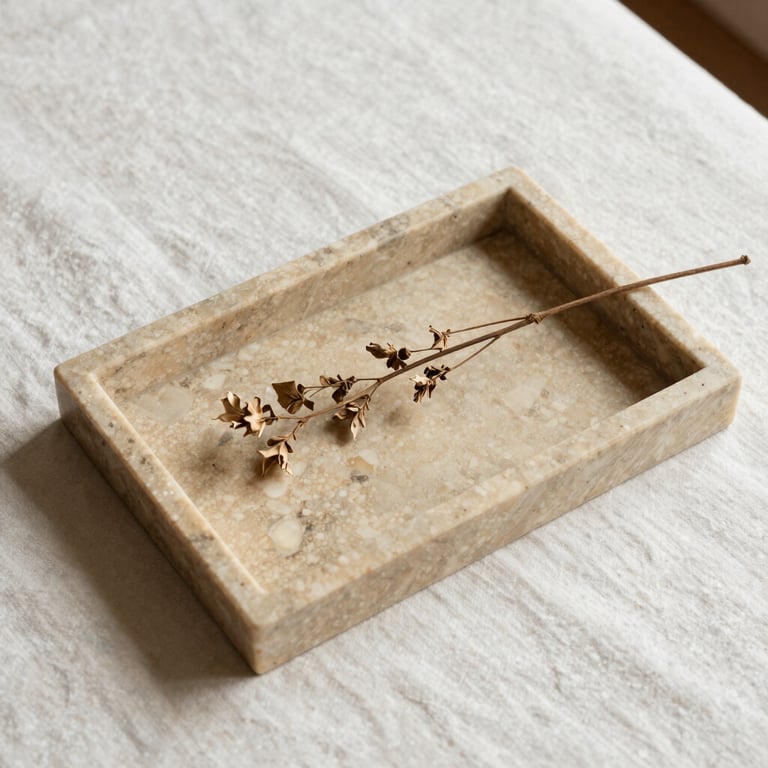
The Stone Offering
Where permanence meets the everyday
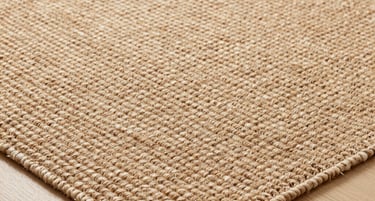
The Earthen Runner
Natural Fiber, Intentional Warmth
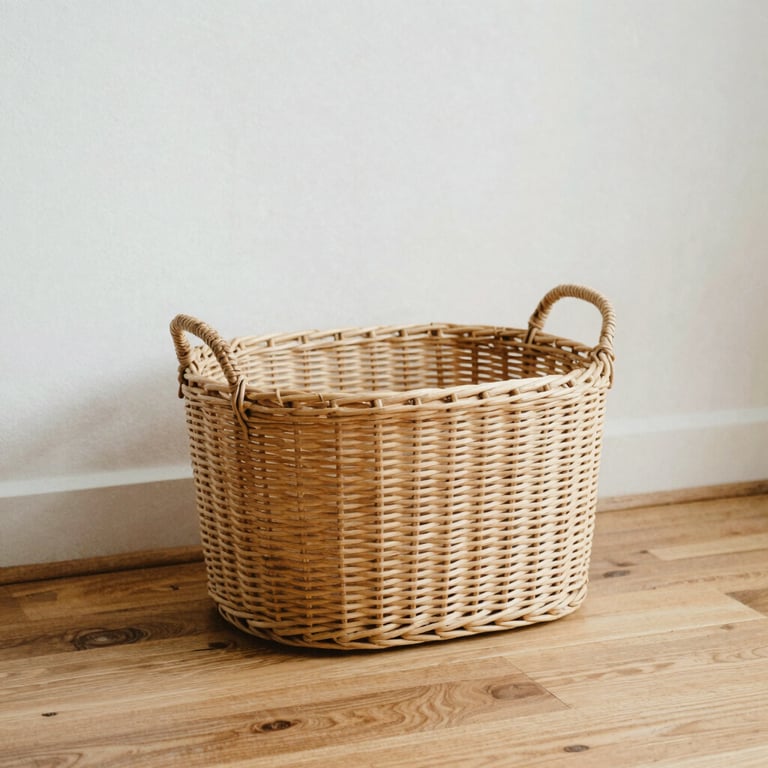
The Woven Vessel
Organic form, intentional presence
The Aura Abode
Effortlessly curated design for the modern sanctuary.
© 2026 The Aura Abode. All rights reserved.
| HOME | THE COLLECTIONS | THE EDIT |
*The Aura Abode is a participant in the Amazon Services LLC Associates Program, an affiliate advertising program designed to provide a means for sites to earn advertising fees by advertising and linking to Amazon.com